By Greg Jeffery
September 21, 2026
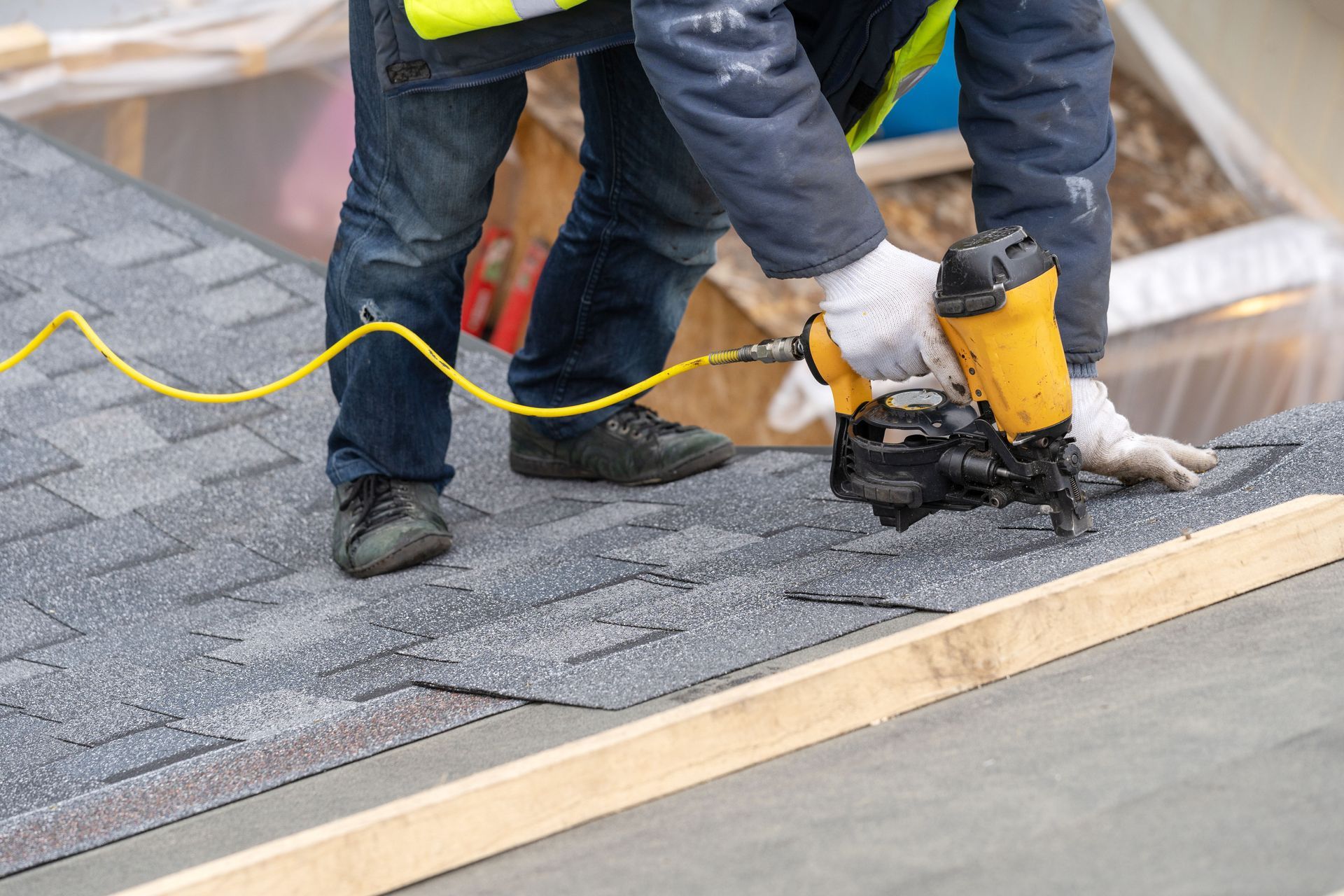
Cracked, curled, or missing shingles weaken your roof's primary protective barrier against severe weather elements. When shingles age or sustain impact, they lose their protective mineral granules, which frequently collect inside your rain gutters and downspouts. Granules shield asphalt materials from destructive ultraviolet rays, so as they strip away, the underlying asphalt deteriorates rapidly under direct sunlight. Addressing missing panels, granule loss, and dark surface discoloration early prevents water from seeping beneath the underlayment and soaking structural components. Consulting an experienced roofing contractor at the first sign of shingle wear protects your roof deck from rotting, preserves overall exterior aesthetics, and keeps minor shingle flaws from spiraling into massive structural failures.
Evaluating Roof Longevity and Material Aging
Most standard asphalt shingles have an expected functional lifespan of roughly 20 to 30 years, depending on material quality, local climate, and ventilation efficiency. According to The Roofing Brief, asphalt shingles make up about 73% to 81% of the U.S. residential market, making regular inspections essential for most American homeowners. If your home's roof is approaching or has passed this age threshold, scheduling a comprehensive professional inspection is crucial to catch subtle vulnerabilities early. Over decades of exposure to harsh sun, freezing temperatures, and heavy rains, roofing materials naturally lose their original flexibility and waterproofing capabilities. Older roofs develop widespread cracking, edge curling, and seam separation that easily escalate into emergency replacements during severe weather. Proactively assessing older roofs protects your internal house framing, prevents unexpected ceiling collapses, and helps homeowners avoid expensive structural damage by replacing worn coverings on their own terms before catastrophic leaks occur.
Fixing Interior Leaks and Mold Growth
Water stains on ceilings, damp drywall, and persistent roof leaks signal active moisture penetration that requires immediate diagnostic repairs. Ignoring minor leaks allows moisture to pool within ceiling joists, causing hidden wood rot and dangerous mold growth inside wall cavities and attics. Water rarely travels in a straight line; it often trickles down rafters and insulation before dripping onto ceiling drywall, making leaks notoriously difficult for untrained homeowners to trace. A skilled roofing contractor can accurately trace hidden water pathways, replace saturated insulation, and fix compromised underlayment. Timely leak remediation restores healthy indoor air quality, protects structural framing from weakening, and prevents escalating water damage restoration costs that arise from prolonged moisture exposure.
Regulating Attic Efficiency and Energy Costs
Excessive attic moisture and surging utility bills often indicate poor ventilation or hidden roof leaks allowing unwanted air transfer. When roof insulation becomes damp or attic vents are blocked, your heating and cooling systems must work significantly harder to maintain comfortable indoor temperatures. Trapped humidity in an unventilated attic also bakes shingles from the underside during hot summer months, accelerating material decay. Having a knowledgeable roofing contractor evaluate attic airflow, insulation depth, and surface reflectivity stabilizes indoor climate control year-round. Maintaining proper ventilation prevents moisture accumulation beneath the roof deck, lowers monthly energy bills, eliminates destructive ice dams in winter, and extends your roof's overall operational lifespan.
Treating Advanced Structural Decay and Rot
Structural rot destroys the load-bearing capacity of roof decking, rafters, and support beams when moisture lingers unnoticed over long periods. Once wood-decay fungi take hold, the structural integrity of your roof declines rapidly, creating hazardous soft spots and sagging sections that risk localized collapse. Damp timber also attracts wood-boring insects, compounding structural weakness and increasing repair complexity. Specialized intervention from a qualified roofing contractor is required to soft-test timber, remove decayed wood, and install fresh structural framing. Addressing structural decay early prevents widespread building failure, keeps your home safe, and avoids massive renovation expenses down the road.
Preventing Wildlife Intrusion and Pest Damage
Unexplained attic noises, animal droppings, and chew marks along your eaves indicate wildlife seeking shelter beneath your roofline. Animals such as raccoons, squirrels, bats, and birds can chew through electrical wiring, tear up fiberglass insulation, and block essential soffit vents with nesting debris. Their acidic waste also degrades roofing underlayment and creates severe sanitation issues inside your living space. A licensed roofing contractor can safely clear pests, seal open gaps along eaves, and install heavy-gauge wire mesh behind vents. Fortifying vulnerable entry points prevents biological contamination, protects your home from fire hazards caused by chewed wires, and stops ongoing animal damage.
Sealing Roof Openings and Access Points
Identifying physical entry points is vital for assessing roof vulnerability to weather penetration and animal invasions. Warped fascia boards, loose ridge caps, unsealed pipe boots, and damaged soffits offer easy access for wind-driven rain and urban pests. Over time, rubber pipe boots dry out and crack under UV exposure, creating direct paths for water to enter your home during heavy downpours. A proficient roofing contractor can spot these subtle gaps, replace degraded boots, and reinforce weakened eaves. Proactively sealing all roof penetrations and access points ensures your home remains watertight, curtails secondary structural damage, and extends the overall operational lifespan of your roofing system.
Repairing Storm Damage and Hail Impacts
Severe storms, high winds, and hail can dent shingles, strip entire panels, and cause dangerous water pooling on flat roof sections. High winds lift shingle seals and expose raw underlayment, while hail impacts create deep bruises that break down internal fiberglass mats and accelerate material failure. Water pooling on flat roofs adds tremendous weight to joists, increasing the threat of structural collapse. Requesting a thorough storm evaluation from a certified roofing contractor catches subtle impact marks and wind-uplift issues early. Timely post-storm repairs fortify your roof against future weather events, protect interior finishes, and provide critical documentation for insurance claims.
Clearing Accumulated Storm Debris
Fallen tree branches, heavy leaf piles, and pine needles retain moisture directly against shingle surfaces, fostering organic decay, algae, and moss growth. Left uncleaned, wet organic debris clogs gutters, obstructs drainage valleys, and speeds up asphalt decomposition by trapping water against roof seams. Heavy overhanging branches also scratch shingle surfaces during windstorms and provide easy pathways for wildlife to reach your roof. Professional post-storm clearing ensures that the roof surface is meticulously cleaned, overhanging limbs are trimmed, and underlying shingles are checked for hidden impact damage. Keeping water running freely off your roof protects vulnerable perimeter edges, preserves shingle integrity, and significantly reduces long-term home maintenance costs.
Performing Comprehensive Storm Assessments
A comprehensive post-storm damage assessment confirms your roof's capacity to withstand future adverse weather events. Experienced inspectors evaluate all potential problem areas, including displaced shingles, dented metal flashing, cracked skylights, and structural truss shifts. Implementing recommended repairs after a severe storm restores protective barriers and fortifies weak points against future weather. Detailed inspection reports provide valuable documentation for insurance adjustments and warranty coverage, ensuring you receive fair compensation for storm-related damage. Timely post-storm intervention safeguards your family, ensures your roofing system remains secure, and prevents minor weather damage from developing into costly structural failures.
Managing Routine Maintenance and Consultations
Scheduling annual roof inspections and seasonal checkups helps homeowners catch minor material wear before it turns into major indoor leaks. Extreme temperature shifts cause roofing materials to expand and contract, loosening fasteners and cracking sealant joints over time. Maintaining thorough service records tracks repair histories, validates manufacturer warranties, and adds valuable resale appeal when listing your property. Partnering with a trusted roofing contractor ensures your roof receives expert care tailored to local climate demands and extreme weather cycles. To evaluate your roof's condition and protect your home with expert care, reach out to the experienced team at Jeffery Construction Inc.