By Greg Jeffery
November 18, 2026
Heavy rainfall and severe storms can cause extensive water damage to residential properties. While flooding often results from overflowing waterways or inadequate ground drainage, roof leaks and overflowing gutters can also allow significant amounts of water to enter a home. Professional roofing contractors help homeowners reduce these risks through inspections, preventive maintenance, and effective waterproofing solutions. Understanding how roofing systems manage rainfall allows property owners to identify vulnerabilities before serious damage occurs. Investing in reliable materials, proper drainage, and professional installation strengthens a home's protection against water intrusion while supporting long-term structural stability.
Understanding the Importance of Professional Roof Inspections
Regular roof inspections are essential for identifying weaknesses that could allow rainwater to enter a home. Missing shingles, deteriorating flashing, damaged underlayment, and compromised seals can create openings for moisture infiltration. Experienced roofing contractors examine these components to determine whether repairs or additional protective measures are necessary. Early detection helps homeowners address minor problems before they develop into extensive interior damage.
According to the International Association of Certified Home Inspectors, homeowner self-assessments correctly identify only 25% of storm-related roof damage compared to professional inspections. This highlights the importance of having knowledgeable professionals evaluate roofing conditions. Thorough assessments may include checking attic spaces for moisture, examining roof penetrations, and identifying areas where water accumulates. Scheduling inspections after major storms provides additional opportunities to discover hidden damage and prevent future complications.
Identifying Roofing Materials That Require Repairs
Roofing materials gradually deteriorate because of sunlight, temperature fluctuations, moisture, and severe weather. Asphalt shingles may crack or lose protective granules, while tiles can become displaced or damaged. These conditions weaken the roof's ability to redirect precipitation away from vulnerable structural components. Professional assessments help determine whether individual materials require replacement or whether more extensive repairs are appropriate.
Addressing damaged materials promptly reduces the likelihood of water reaching insulation, ceilings, and interior walls. Homeowners should also pay attention to warning signs such as ceiling stains, peeling paint, damp attic insulation, and unusual odors. Although these symptoms may indicate moisture problems, professional evaluation is necessary to determine their underlying causes. Maintaining roofing materials consistently supports dependable performance throughout changing weather conditions.
Installing Effective Gutter and Downspout Systems
Gutters and downspouts play an important role in protecting homes from excessive rainwater accumulation. Properly installed gutters collect runoff from roofing surfaces and direct it toward designated drainage locations. Without adequate drainage, water may overflow near exterior walls, increasing the likelihood of foundation moisture problems and basement flooding. Qualified roofing contractors can evaluate gutter capacity, installation angles, and downspout placement to improve overall water management.
Downspout extensions and splash blocks help redirect collected water away from foundations. However, their effectiveness depends on surrounding soil conditions and property grading. Gutters must also remain free from leaves, branches, and other debris that restrict water movement. Installing compatible gutter guards may reduce debris accumulation, although periodic cleaning remains necessary. Maintaining these components helps protect exterior surfaces and reduces unnecessary moisture exposure around the home.
Improving Drainage Systems on Flat and Low-Slope Roofs
Flat and low-slope roofing systems require specialized drainage arrangements because water moves across their surfaces more slowly than on steeply pitched roofs. Internal drains, scuppers, and appropriately positioned gutters help remove accumulated rainfall. When drainage outlets become blocked, standing water can place additional stress on roofing materials and increase the likelihood of leaks.
Proper drainage design considers roof dimensions, expected rainfall, structural capacity, and the placement of drainage outlets. Professionals may recommend correcting inadequate slopes or installing additional drainage components when persistent pooling occurs. Regular inspections are particularly important following heavy storms because debris can obstruct drainage pathways. Keeping these systems functional helps prevent prolonged moisture exposure and supports the roof's structural integrity.
Applying Waterproofing and Sealing Techniques
Waterproofing provides additional protection against moisture infiltration, particularly around vulnerable roofing components. Sealants, protective membranes, and properly installed flashing help prevent water from entering through joints and penetrations. Skilled roofing contractors select compatible products based on roofing materials, environmental conditions, and the specific areas requiring attention. Correct application is essential because poorly installed waterproofing products may fail prematurely.
Flashing around chimneys, skylights, vents, and roof intersections deserves particular attention. These locations experience frequent water exposure and may develop openings as materials expand and contract. Waterproof underlayment beneath exterior roofing materials provides another protective barrier against wind-driven rain. Periodic maintenance helps identify deteriorating sealants and damaged flashing before moisture reaches interior spaces. Combining multiple protective components creates a more dependable roofing system during severe weather.
Choosing Durable Roofing Materials for Storm Protection
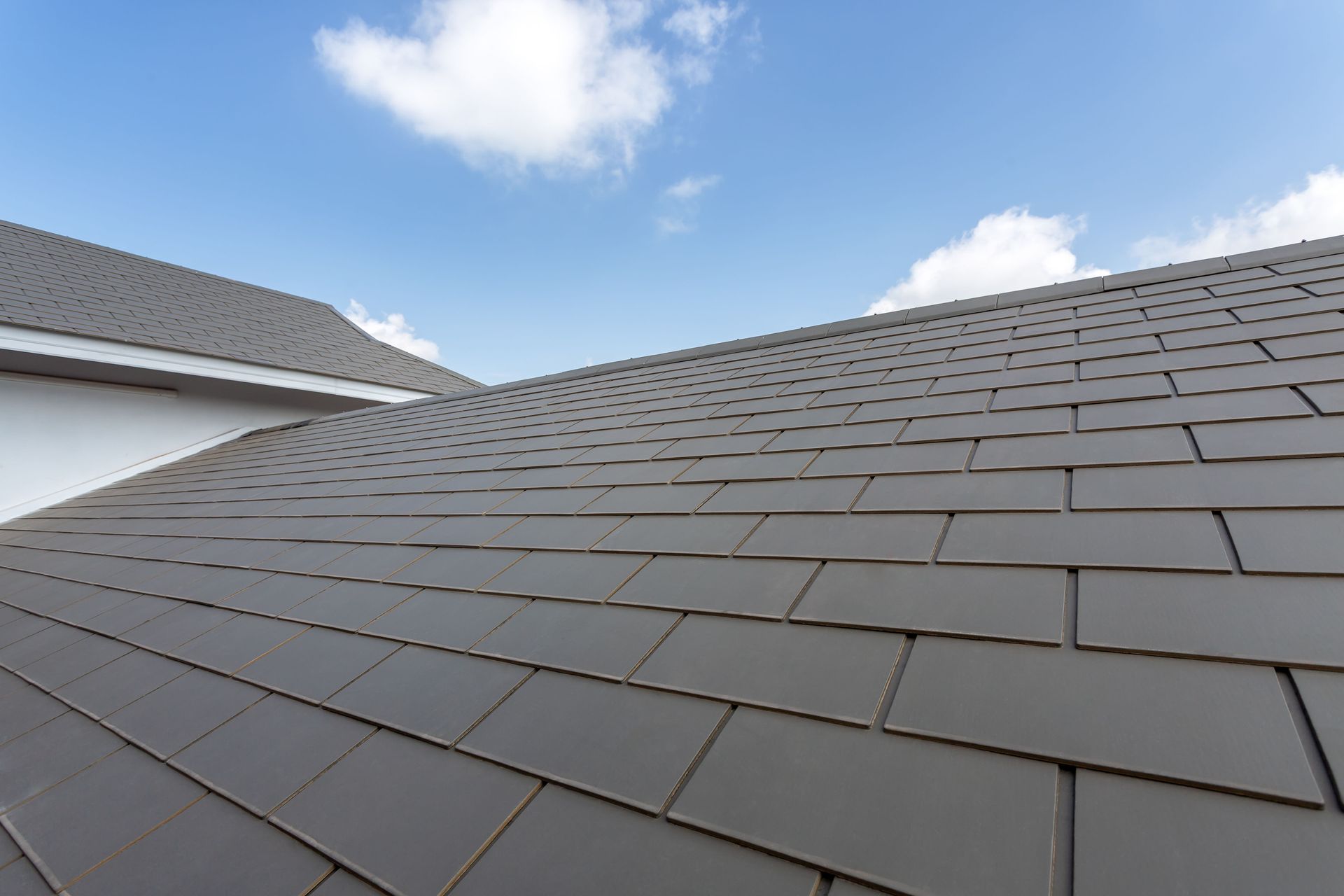
Selecting appropriate roofing materials improves resistance to harsh weather and water intrusion. Impact-resistant asphalt shingles can withstand certain forms of storm-related damage, while metal roofing offers durability and efficient water shedding when installed correctly. Slate and tile roofing provide additional options, although their weight and installation requirements must be considered. Experienced roofing contractors can help homeowners compare materials according to local weather conditions, structural requirements, maintenance expectations, and available budgets.
Synthetic roofing products offer alternatives that may provide improved resistance to cracking, moisture, and environmental deterioration. Material performance depends on product quality, installation techniques, and compatibility with the underlying roofing structure. Homeowners should also consider manufacturer warranties and applicable building requirements before making decisions. Choosing suitable materials supports long-term protection while potentially reducing the frequency of repairs following severe storms.
Ensuring Professional Installation and Quality Workmanship
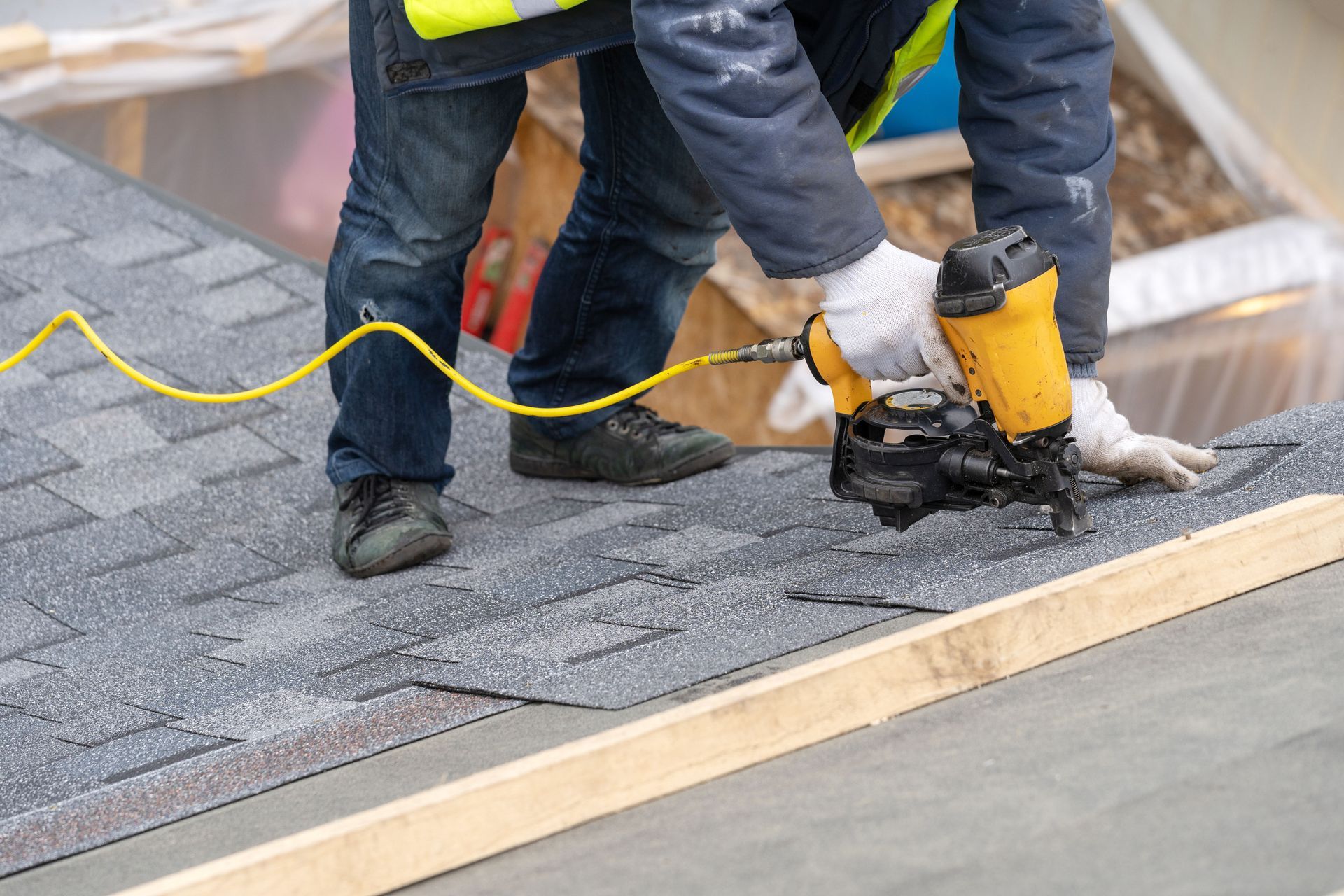
Even high-quality roofing materials can perform poorly when installation techniques are inadequate. Improperly secured shingles, insufficient flashing overlaps, and poorly positioned drainage components may create opportunities for water infiltration. Professional roofing contractors follow applicable installation specifications and building codes to establish reliable roofing systems. Their experience helps minimize preventable errors that could compromise performance during heavy rainfall.
Quality workmanship also involves evaluating ventilation, fastening methods, roof decking, and transitions between different materials. These details contribute to overall durability and moisture resistance. Homeowners should request written estimates, review warranty coverage, and verify appropriate licensing and insurance requirements before selecting a professional. Understanding the scope of work helps establish clear expectations regarding materials, repairs, installation procedures, and project completion.
Establishing Preventive Roof Maintenance Schedules
Preventive maintenance helps homeowners identify developing problems before they require expensive repairs. Seasonal evaluations typically involve inspecting visible roofing materials, clearing drainage systems, examining flashing, and checking for signs of moisture intrusion. Establishing a consistent schedule allows property owners to address weather-related deterioration while maintaining the roof's protective capabilities.
Maintenance frequency depends on roofing materials, surrounding vegetation, local climate, and previous damage. Homes exposed to frequent storms or falling debris may require additional attention. Homeowners should avoid walking on damaged or slippery roofing surfaces and leave hazardous inspections to qualified professionals. Keeping maintenance records also provides useful documentation when evaluating repair histories, warranty conditions, or future replacement needs. Consistent upkeep can extend roofing performance and reduce unexpected water-related expenses.
Although roofing improvements cannot prevent every type of flooding, they can substantially reduce water intrusion originating from damaged roofing systems and inadequate roof drainage. Foundation drainage, proper landscaping, and broader flood preparedness measures remain equally important for comprehensive property protection. By combining professional roofing care with responsible home maintenance, property owners can create a more resilient living environment and approach changing weather conditions with greater confidence. Contact Jeffery Construction Inc today and learn more about our roofing services.